

Bottle vs. can: Uncorking the truth
At SegenPro.com, we believe that understanding your beer goes beyond just the brew itself. Join us as we delve into the age-old debate: bottles or cans? Discover how your beer's container profoundly influences its taste, quality, and environmental footprint, helping you make the perfect choice for every sip. We're here to help beer consumers truly grasp the effect of packaging on their favourite drink.
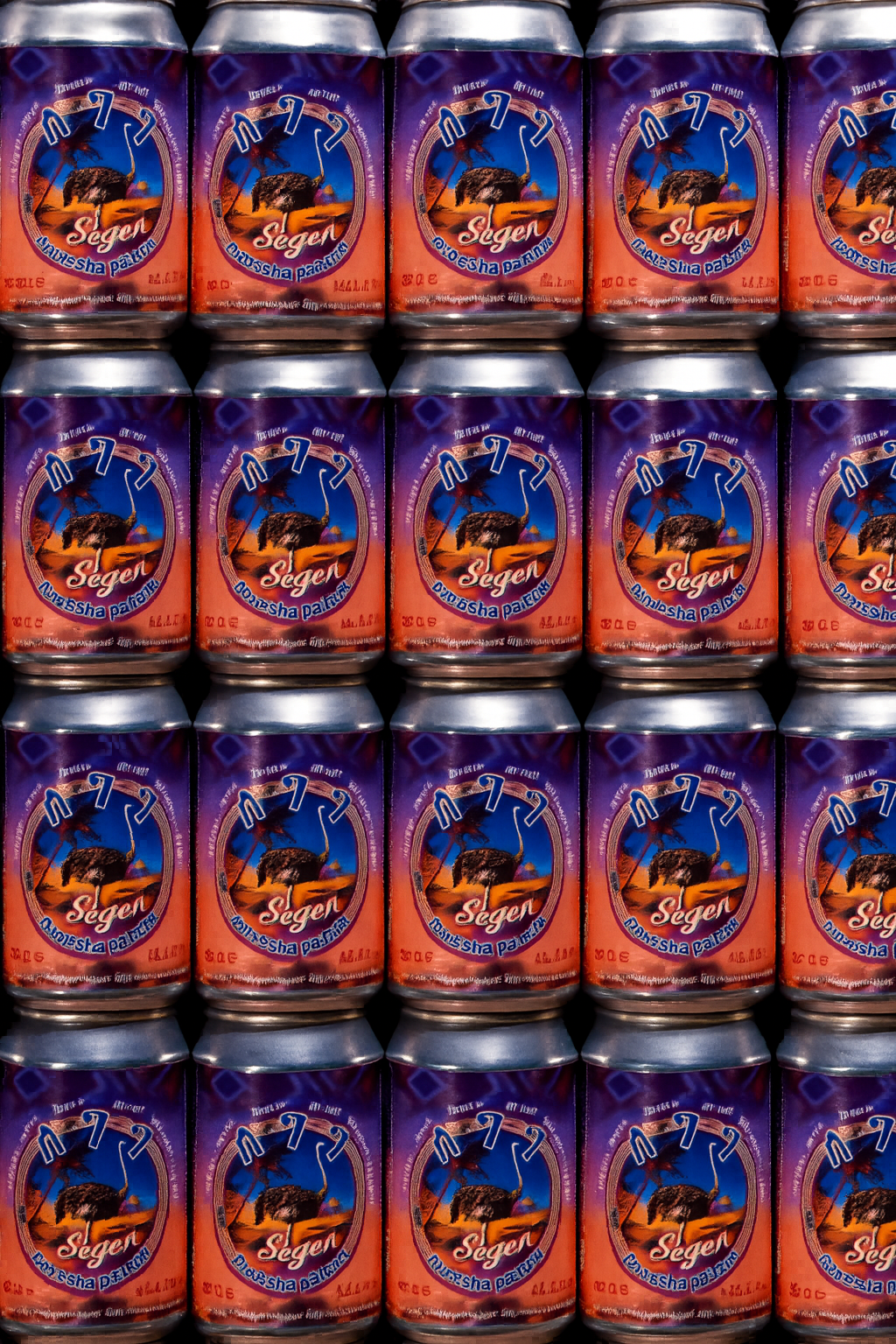
Containers dissected: What's inside matters
Beyond aesthetics, the fundamental materials of beer bottles and cans play a crucial role in preservation. Glass bottles offer a classic feel and visual appeal, while aluminium cans provide a complete barrier against external elements. Each choice brings distinct advantages and challenges for your favourite brew, impacting its journey from brewery to glass. Understanding these differences is key for any discerning beer consumer.

The colour conundrum: How bottles protect (or don't)
Ever wondered why most beer bottles are brown or green? It's all about light. UV rays can quickly 'skunk' beer, altering its delicate flavour and aroma. Darker bottles, particularly amber, offer superior protection by filtering out harmful light wavelengths. Clear or green bottles, while sometimes visually appealing, leave your beer more vulnerable to light strike. Understanding bottle colour is crucial for appreciating a well-preserved, quality brew.

Cans: The ultimate flavour guardians and green choice
Aluminium cans are superheroes for beer preservation. They completely block out light and oxygen, two of beer's worst enemies, ensuring your brew tastes exactly as the brewer intended, fresh and true to character. This superior protection prevents flavour degradation. Furthermore, cans boast a significantly higher recycling rate globally compared to glass bottles, making them an excellent and often more environmentally conscious choice for the planet and the beer itself.