

Gesho: Unveiling East Africa's Brewing Secret
At SegenPro.com, we delve into the world's most unique ingredients. Discover Gesho (Rhamnus prinoides), a botanical marvel from East Africa, whose profound impact on traditional fermented beverages like tella and suwa offers a glimpse into ancient brewing wisdom. Join us as we explore its rich history, distinct properties, and cultural significance.
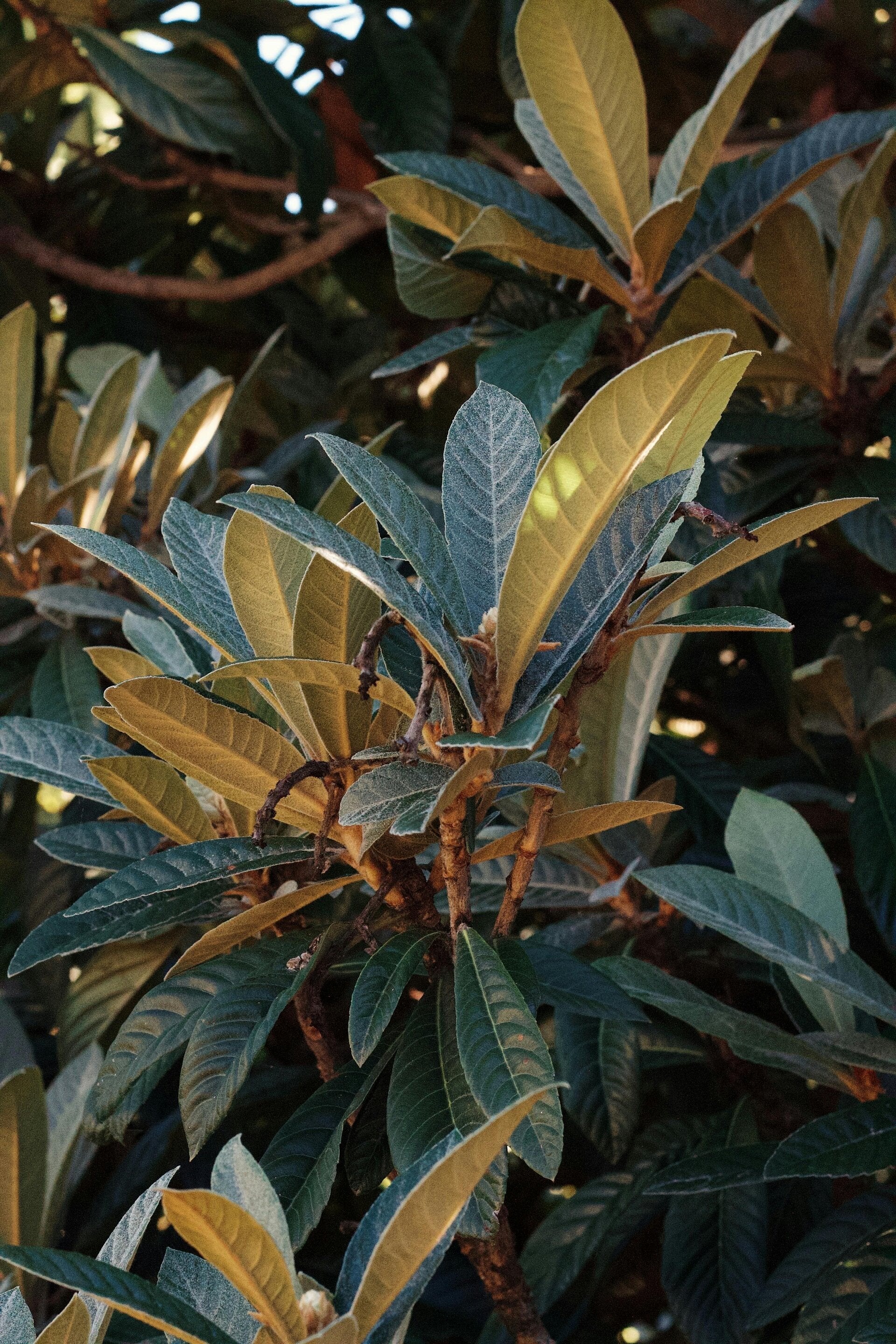
The Gesho plant: Morphology & habitat
Known scientifically as Rhamnus prinoides, Gesho is a dense shrub or small tree, characterised by its alternate, shiny, oval leaves, and small greenish-yellow flowers that mature into red berries, turning purple-black when ripe. Typically growing up to several meters, its size varies depending on environmental conditions. Gesho thrives in specific habitats: medium to high altitude areas, forest edges, and wet riverbanks across East Africa.
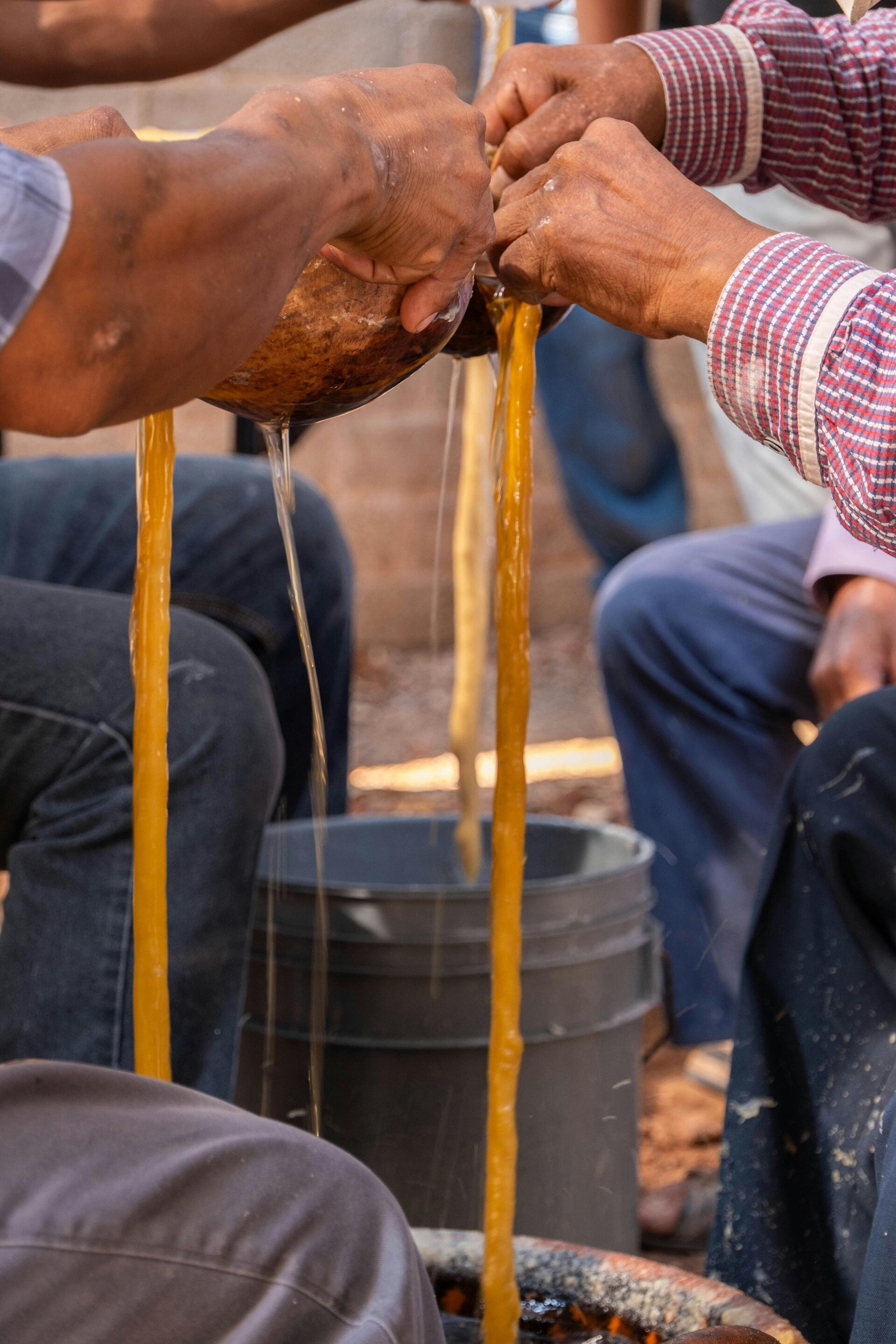
Cultural roots & regional significance
Gesho holds deep cultural importance throughout East Africa, particularly in Ethiopia, Eritrea, and Kenya. It is a key ingredient in traditional fermented beverages such as tella in Ethiopia and suwa (or sowa) in Eritrea. In these brews, Gesho contributes a distinctive bitterness and herbaceous aromas, alongside enhancing the microbiological stability of the wort. Beyond brewing, it is also valued in traditional medicine, used as fuel, and plays a role in local trade through markets and cooperatives. It is found both in the wild and cultivated locally.